

What Not to Flush Down the Toilet
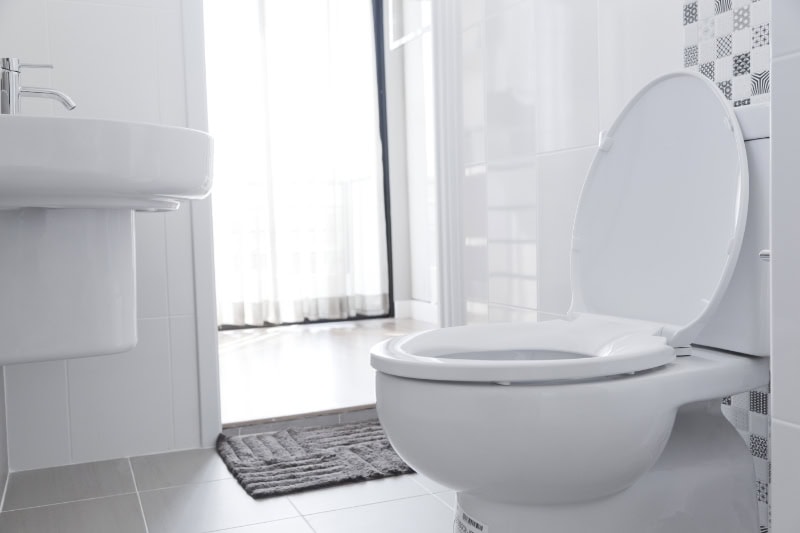
Your toilet is the hardest-working piece of equipment in your home.
How well it works and how long it lasts depends on how well you maintain this essential plumbing fixture.
At Mason Pro Services, we have seen all manner of toilet misuse and abuse in homes from Greater Phoenix to Tucson. From toys to “flushable” wipes that were anything but, our team has cleared enough clogs to know that many people treat their toilets like trash cans instead of finely tuned machines.
Giving your toilet a little TLC will prolong its service life and maintain water flow in your plumbing. We have compiled dos and don’ts for flushing, insight into toilet mechanics and maintenance, and even a few fun facts about toilet history to help you care for the finely tuned machine in your bathroom.
Before we dive into our list of throne room rules and talk about what goes down the toilet, let’s look at how it goes down.
How Your Toilet Operates
Water, gravity, and physics work together to move the bowl’s contents through the toilet and into the sewer line in your Chandler, home.
When you push the handle, a flapper inside the toilet tank lifts, allowing a large volume of water to rush from the tank into the bowl. This sudden surge of water pushes air out of the trapway—that S-shaped curve you see at the base of the toilet. Once that trapway is full of water, it creates a vacuum that siphons the contents of the bowl out and down into your sewer line.
However, items that don’t dissolve can easily clog the trap and interfere with the siphon, causing your toilet to overflow.
The Only Things You Should Flush
To keep your plumbing in peak condition, we recommend flushing only human waste, as well as toilet paper.
Toilet paper is designed to disintegrate almost instantly when it hits water. If you want to see this in action, drop a square of TP in a bowl of water, stir, and watch it turn into pulp. That pulp travels easily through your pipes and into the city sewer or your septic tank.
The Things You Should Never Flush
Even if the product packaging claims it is safe for sewer lines and septic systems or safe to flush, our expert plumbers here at Mason Pro Services beg to differ. Discard nonflushables in the garbage. Here are some of the biggest offenders we see in toilets from Scottsdale to Tucson:
- Flushable Wipes: These are the #1 enemy of modern plumbing. Unlike toilet paper, wipes are made of synthetic fibers or reinforced paper that do not dissolve. They stay intact, catch on a tiny imperfection in your pipes, and start collecting other wipes that can back up your entire house.
- Paper Towels: These paper products are designed to be strong and absorbent. They are designed to stay together, even when soaked through. Flushing one is like flushing a small rag.
- Dental Floss and Hair: These act like a “net” inside your pipes. They snag on the rough edges of cast iron or PVC joints and then trap other debris passing by. Eventually, you have a solid wall of gunk that requires a professional snake or hydro-jetting to clear.
- Fats, Oils, Grease: This destructive trio almost always guarantees a plumbing clog, whether you inadvertently spill oil and grease into your kitchen sink drain or dump them in the toilet. These substances may be in liquid form when warm or at room temperature, but they solidify when they come into contact with the cool water in your toilet or sewer line.
- Medications: They won’t clog your pipes, but are destructive to our Arizona environment. Modern wastewater treatment plants aren’t designed to filter out pharmaceuticals, which means those chemicals can end up back in our water cycle. The U.S. Department of Justice’s Drug Enforcement Division maintains a list of disposal locations online. Simply type your city and state or zip code into the search.
Maintaining Your Toilet
How long does a toilet last? If you treat it well, the porcelain can last 50 years or more!. However, the internal components, including the flapper, fill valve, and handle, may need to be replaced every five to seven years.
You can test the health of your toilet flapper by adding a few drops of blue or red food coloring to the toilet tank. Wait 20 minutes before flushing the toilet again. If you see color seeping into the bowl before you flush, your flapper is leaking, and you are wasting water.
Use a mild cleaner in the toilet bowl. Avoid using bleach tablets in the tank. The high concentration of chlorine in the tablets can cause the rubber parts inside the tank to warp, leading to leaks.
If you notice water pooling around the bottom of the toilet or if the toilet wobbles, your wax ring may have failed. This needs to be addressed immediately to prevent floor rot.
At Mason Pro Services, we offer 24/7 emergency services. Let us diagnose and resolve toilet leaks, failed components, and plumbing clogs in your Maricopa County home.
Fun Fact to Share at Your Next Barbecue
The first patent for a flushing toilet was issued in 1775 to a watchmaker named Alexander Cumming. Although the first flush toilet was designed almost 200 years earlier, Cumming invented the S-trapway, the curved pipe beneath the toilet bowl that uses water to create a seal, preventing sewer gases from coming back up into your bathroom. We’ve been using that same basic design for 250 years!
Schedule a Plumbing Inspection
Mason Pro Services is here to help keep the most important seat in your Chandler, home, in top shape.
If your toilet is gurgling, draining slowly, or requiring a plunger frequently, there is likely an issue deeper in the line. The problem may be a buildup of those nonflushables or even tree roots seeking water in our dry Arizona soil.
The Mason Pro Services team can clear blockages and diagnose, repair, and maintain your pipes and fixtures, including your toilet. If you need a plumbing inspection or toilet repairs, call us at 480-757-1778 or request service online.