

What Not to Put Down Your Garbage Disposal: Why Viral Tips Don’t Tell the Whole Story
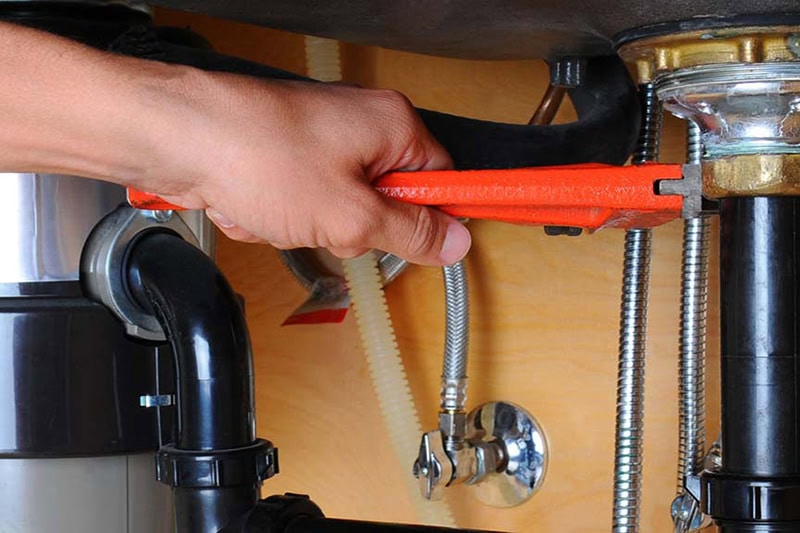
A garbage disposal can make kitchen cleanup considerably easier. Scrape food from a plate, flip a switch, and the scraps are ground up and sent down the drain.
But if you have ever searched online for garbage disposal tips, you have probably seen videos recommending everything from ice cubes and citrus peels to eggshells and other household ingredients as “hacks” for cleaning or sharpening the appliance.
But do they really help? A garbage disposal is connected to your Tucson, AZ, home’s plumbing system, and anything you grind inside of it can have repercussions deeper in the pipes.
Some viral tips may make a disposal smell fresher or appear cleaner temporarily, but they do not necessarily prevent clogs, protect the drain line, or address an underlying mechanical problem. In some cases, regularly putting the wrong materials down the disposal can contribute to plumbing problems.
Knowing what belongs in the disposal and what belongs in the trash or compost is the difference between a healthy, functioning plumbing system and needing to call Mason Pro Services for garbage disposal repair or clogged-drain services.
What Should You Never Put Down a Garbage Disposal?
The fact that something fits through the disposal opening does not mean the appliance or your plumbing was designed to handle it. Here are some of the biggest troublemakers to keep out.
1. Grease, Oil, and Fat
Grease may be liquid when it goes into the sink, but that does not mean it stays liquid throughout your plumbing system.
As grease cools, it can stick to the inside of drain pipes and combine with other food particles and debris. Over time, that buildup can restrict water flow and contribute to a stubborn kitchen drain clog.
Running hot water afterward does not guarantee that grease has been eliminated. It can simply move the grease farther into the plumbing before it cools. Instead, let grease and cooking fat cool into a solid, then scrape it into the trash, reuse it, or recycle it where available.
2. Coffee Grounds
Coffee grounds are small, but that does not make them disposal-friendly. A disposal can grind coffee grounds into smaller particles, but those particles still have to travel through the drain.
When they accumulate or combine with grease and other debris, they can contribute to drainage problems. A better place for them is the trash or compost, when appropriate.
3. Fibrous Foods
Celery, corn husks, onion skins, artichoke leaves, and other stringy foods can be difficult for a garbage disposal to process efficiently. Fibers can wrap around internal components or pass into the plumbing, where they may contribute to buildup.
4. Pasta, Rice, and Other Starchy Foods
Pasta, rice, potatoes, and similar foods can absorb water and swell. A small amount left on a plate is unlikely to create an immediate disaster, but using the disposal to handle large quantities of starchy leftovers can contribute to drainage problems.
5. Bones, Fruit Pits, and Other Hard Materials
Your disposal is designed to grind small food scraps that might otherwise flow down the drain in too-large pieces—not to serve as a general-purpose food shredder.
Bones, fruit pits, large seeds, and other hard materials can place unnecessary stress on the disposal’s grinding components or may remain too large to move easily through the pipes.
6. Shells and Tough Seafood Waste
Shellfish shells are another item homeowners should generally keep out of the disposal. They are hard, and pieces can create unnecessary strain on the disposal or contribute to problems farther down the drain.
If you regularly prepare seafood at home, scraping shells and other tough waste into the trash is a safer habit.
7. Non-Food Items
This one sounds obvious, but accidents happen. Silverware, bottle caps, plastic, glass, twist ties, sponges, and other objects can end up in a disposal when dishes are being rinsed.
If the disposal suddenly makes a loud rattling noise, jams, or stops working after an object falls inside, do not reach into the disposal with your hands. Turn the appliance off and follow the manufacturer’s safety instructions to remove it and reset your disposal.
If the problem persists, professional garbage disposal repair may be the safest option.
What About Viral Garbage Disposal Cleaning Hacks?
This is where homeowners need to look beyond the short video. You may have seen recommendations to grind ice cubes to “sharpen the blades,” use eggshells to clean the disposal, or send citrus peels through the appliance to eliminate odors.
Some of these practices can temporarily change how the disposal looks or smells (e.g., citrus peels) or not work at all (e.g., ice cubes). But they should not be confused with professional plumbing maintenance.
For example, a garbage disposal does not operate as a kitchen knife that needs its blades sharpened. And putting a material through the disposal because a viral video claims it “cleans the pipes” does not mean it will remove buildup farther down the drain.
The bigger issue is that your garbage disposal and your plumbing are one connected system. A trick that works for a few seconds on camera may do nothing for grease buildup, a developing clog, a damaged disposal component, or an obstruction in the drain line.
Mason Pro Services recommends using a garbage disposal only for small amounts of non-fibrous, non-greasy food. We’ve seen firsthand that kitchen clogs commonly involve food particles and grease.
What Are the Signs You Need Garbage Disposal Repair?
Not every disposal problem means the unit needs to be replaced. However, certain warning signs indicate that it is time to stop experimenting with DIY fixes and have the problem evaluated by a professional plumber.
Watch for:
- The disposal hums but does not grind
- Loud grinding, rattling, vibrating, or repeat jams
- The disposal stops working repeatedly
- The unit trips a circuit
- The kitchen sink drains slowly or backs up
- The disposal leaks under the sink
A garbage disposal problem can sometimes be related to the appliance itself. Other times, the real problem may be the drain or another part of the plumbing system. That distinction matters.
Mason Pro Services provides clogged-drain services, high-pressure jetting, leak locating, and camera inspections, giving plumbers the tools to investigate plumbing problems rather than simply treating the visible symptoms.
Protect Your Garbage Disposal—and the Plumbing Behind It
The best garbage disposal maintenance strategy is not a complicated viral hack. It is knowing what not to put down the drain.
Keep grease, oil, fibrous foods, hard materials, shells, and non-food objects out of the disposal. Use the appliance according to the manufacturer’s instructions, and pay attention to any changes in its performance.
Most importantly, remember that a garbage disposal does not operate in isolation. Everything that leaves the appliance still has to travel through your home’s plumbing.
If your disposal is leaking, repeatedly jamming, making unusual noises, or contributing to a slow or clogged kitchen drain, garbage disposal repair from a qualified plumbing professional can help identify the underlying problem. Mason Pro Services provides professional plumbing services backed by more than 30 years of experience serving Tucson, AZ. If your garbage disposal or drains are showing signs of an issue, call our plumbing pros at 623-259-6417 or request service online.