

Air Conditioning Repair & Installation in Chandler, AZ
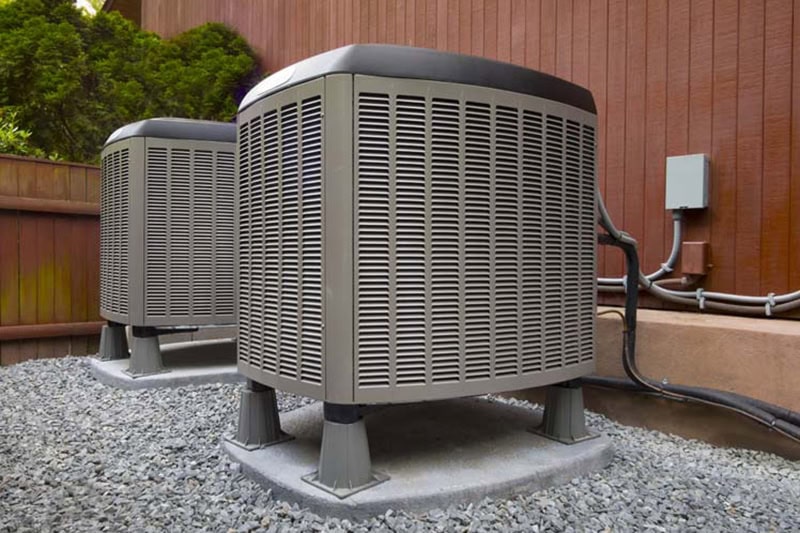
Air conditioning systems in Chandler operate under some of the harshest cooling conditions in the country. Extreme summer heat, long runtime seasons, rooftop exposure, and monsoon dust all create unusual stress on compressors, coils, capacitors, and control boards. In this environment, AC performance depends heavily on climate-specific design, installation, maintenance, and repair strategy.
This guide explains air conditioning repair, installation, replacement, service, and maintenance in Chandler, AZ, with a focus on desert-specific failure patterns, professional service standards, and repair-or-replace decision making before peak summer demand.
Mason Pro Services has served Arizona since 1993, providing HVAC, plumbing, and electrical services designed for the demands of Chandler homes and Arizona’s desert climate.
Why Air Conditioners Fail in Chandler’s Desert Climate
AC failures in Chandler are rarely random. Most happen because extended extreme heat creates a chain reaction inside the system: heat rejection drops, electrical load rises, component temperatures climb, and wear accelerates. Desert systems often fail first through efficiency loss, then through repeated stress events that lead to breakdowns during peak heat.
Local factors that impact air conditioners in Chandler include:
Extreme ambient temperatures
When outdoor temperatures remain above 110°F, condensers reject heat less efficiently, increasing head pressure and compressor strain.
Rooftop thermal amplification
Many East Valley homes use rooftop package units, where surface temperatures can far exceed normal ambient air temperature.
Monsoon dust and debris
Fine dust coats outdoor coils, reduces airflow, and makes heat transfer less efficient.
Long cooling seasons
Chandler systems often run for eight to nine months per year, far beyond the annual runtime seen in milder climates.
Electrical stress during summer load events
Extended heat and storm activity can increase the risk of capacitor failure, control issues, and surge-related damage.
In desert markets, cooling problems often begin with loss of efficiency and rising strain before complete system failure occurs.
AC Repair in Chandler, AZ: What Breaks and Why
Air conditioning repair in Chandler most often involves components affected by sustained heat, dirty coils, long runtime, and electrical stress. Mason Pro Services handles AC repair for systems showing reduced cooling, frequent cycling, breaker trips, or storm-related performance problems that become more common during extreme Arizona weather.
Common desert-related AC failures include:
Compressor overheating
High head pressure and restricted heat rejection can overwork compressors during 110°F+ afternoons.
Capacitor and contactor failure
Extreme ambient heat shortens the lifespan of startup and run components.
Refrigerant imbalance
Low charge increases superheat, reduces lubrication efficiency, and raises compressor temperature.
Dust-blanketed condenser coils
Monsoon debris and desert dust restrict airflow and make the condenser work harder.
Blower motor fatigue
Extended seasonal runtime can accelerate wear on indoor fan motors and airflow components.
If ignored:
Warm airflow, repeated shutdowns, and breaker trips can escalate into major compressor damage or complete cooling loss during peak heat.
Repeated breaker trips, burning odors, or outdoor unit shutdowns during extreme heat should be treated as urgent and evaluated by a licensed HVAC professional.
What Professional AC Service Includes in Chandler, AZ
In Chandler, AC maintenance is not cosmetic upkeep — it is mechanical protection for a system operating near its thermal limits. A professional service visit should verify electrical load, refrigerant performance, airflow, drainage, and heat transfer so developing issues are caught before they become expensive failures during summer demand.
A professional service visit typically includes:
Electrical load testing
-
Capacitor microfarad testing
-
Compressor amp draw measurement
-
Contactor and wiring inspection
Refrigerant performance verification
-
Superheat and subcooling confirmation
-
Pressure evaluation under high ambient conditions
Condenser coil heat transfer evaluation
-
Coil inspection for dust accumulation
-
Cleaning to restore heat rejection efficiency
Airflow and static pressure testing
-
Duct leakage evaluation
-
Airflow balancing and blower inspection
Drainage and condensation inspection
-
Drain clearing
-
Overflow prevention during extended runtime cycles
Annual maintenance significantly reduces the risk of desert-heat failures and summer emergency breakdowns.
AC Maintenance in Chandler, AZ: Preventing Desert Heat Failures
Most Chandler air conditioners should be professionally serviced at least once each year, ideally before the first stretch of 100°F+ weather. Older systems, rooftop units, and homes with long daily runtime may benefit from biannual inspections because desert conditions increase wear on coils, electronics, motors, and refrigerant performance.
Desert maintenance priorities include:
-
Cleaning dust from condenser coils
-
Checking for elevated head pressure during heat waves
-
Testing capacitors and electrical components under load
-
Inspecting for oil breakdown and overheating risk
-
Checking voltage-related stress after storms
Surge protection can also help protect sensitive control boards during monsoon season and summer grid events.
AC Installation in Chandler, AZ: Why Design Matters
Air conditioning installation in Chandler requires more than replacing old equipment with a similar unit. Proper sizing, duct evaluation, roof exposure, insulation performance, electrical compatibility, and efficiency compliance all affect whether a new system can maintain indoor comfort during extreme Arizona heat without short cycling or excessive energy use.
Local installation considerations include:
-
110°F+ design conditions and sustained cooling demand
-
Rooftop heat load, if applicable
-
Solar exposure and insulation performance
-
Duct leakage and airflow limitations
-
Electrical capacity and equipment compatibility
-
Current Southwest regional efficiency requirements
Arizona remains in the Southwest region, where residential central air systems generally face stricter minimum efficiency standards than northern markets, including 14.3 SEER2 for many split-system central AC units under 45,000 BTU.
Improper sizing can cause continuous runtime, poor setpoint control, short cycling, and premature compressor wear.
AC Replacement in Chandler, AZ: Repair or Replace Before Summer?
In Chandler, timing matters. Replacing an aging AC system before summer arrives gives homeowners more equipment options, more scheduling flexibility, and less risk of going without cooling during a heat emergency. Waiting until a unit fails in extreme heat often leads to rushed decisions and limited replacement windows.
Repair vs. Replace AC Guide
| System Condition | Recommended Action |
|---|---|
| Under 8–10 years old with a minor repair | Repair is usually cost-effective |
| 10–12+ years old with declining performance | Start evaluating replacement |
| Major compressor or refrigerant-related failure | Replacement is often the better long-term option |
| Uses older R-22 refrigerant | Replacement is usually worth serious consideration |
| Repairs exceed 40–50% of replacement cost | Replacement typically offers better long-term value |
| Struggles during 105°F+ afternoons despite service | Replacement may be the more reliable choice |
Replacement often makes sense if your system:
-
Is 10–12+ years old
-
Struggles during extreme afternoon heat
-
Uses outdated R-22 refrigerant
-
Requires repeated capacitor replacements
-
Faces a major compressor repair
What Chandler Homeowners Can Safely Check — and What They Should Not Touch
Homeowners can safely handle a few basic AC checks, but most cooling system failures in Arizona involve high voltage, high refrigerant pressure, or compressor-related stress. Attempting deeper repairs without certification can create safety hazards, worsen the failure, or damage major components.
Safe checks
-
Replace air filters monthly during peak season
-
Clear visible debris around the outdoor unit
-
Verify thermostat settings and operating mode
-
Check the breaker panel for a tripped circuit
Do NOT attempt
-
Refrigerant handling or charging
-
Accessing electrical compartments
-
Compressor diagnostics
-
Capacitor replacement without training
-
Coil cleaning with improper chemicals or pressure
If the outdoor unit shuts off in extreme heat, the system runs continuously without cooling, or refrigerant lines ice during hot weather, stop troubleshooting and call a licensed professional.
AC Costs in Chandler, AZ: What Influences Pricing
Air conditioning costs in Chandler often run higher than national averages because desert cooling systems face larger tonnage demands, stricter efficiency requirements, rooftop access challenges, and heavier wear from extended runtime. Accurate pricing depends on system size, installation complexity, duct conditions, and the level of component damage already present.
The ranges below are approximate and provided for general guidance. Final pricing depends on equipment condition, home layout, roof access, efficiency level, and the scope of work. A professional inspection provides the most accurate estimate.
AC Repair Costs (Approximate)
-
Minor repairs: $150–$500
-
Moderate repairs: $500–$1,200
-
Major repairs: $1,200–$3,000
Installation & Replacement Costs (Approximate)
-
Standard systems: $6,500–$10,000
-
High-efficiency systems: $9,000–$15,000+
Costs may increase because of:
-
Higher tonnage requirements
-
SEER2 compliance standards
-
ECM blower motors and advanced electronics
-
Duct inefficiencies in older homes
-
Rooftop installation complexity
Rebates or incentives may be available through Arizona utilities, manufacturers, or energy-efficiency programs for qualifying air conditioning upgrades. Because these offers can change over time, homeowners should confirm current rebate availability, equipment eligibility, and application requirements before purchasing or installing a new system.
Why Chandler Homeowners Trust Mason Pro Services
Mason Pro Services positions itself as a family-owned Arizona company that has served local homeowners since 1993. Their AC approach emphasizes climate-specific diagnostics, accurate load calculations, trained technicians, and whole-home expertise across HVAC, plumbing, and electrical systems — an advantage when cooling problems intersect with airflow, power, or home infrastructure issues.
What sets them apart:
-
Over 30 years serving Arizona
-
Highly trained HVAC technicians
-
Structured inspections under extreme ambient load
-
Accurate load calculations for desert design temperatures
-
Transparent pricing
-
Whole-home expertise across HVAC, plumbing, and electrical
-
Strong local reputation
Common Air Conditioning Questions from Chandler Homeowners
What are the current SEER2 requirements for Arizona?
Arizona remains in the Southwest efficiency region, which has stricter central AC minimums than northern states. For many residential split-system air conditioners under 45,000 BTU, the minimum is 14.3 SEER2, while larger systems have different thresholds. The exact requirement depends on equipment type and capacity.
How do monsoon seasons affect AC systems?
Monsoon storms affect AC systems in two main ways: dust coats outdoor condenser coils and reduces heat rejection, while storm activity can trigger voltage fluctuations or surges. After monsoon events, Chandler homeowners often see reduced airflow efficiency, hotter operating conditions, and a higher risk of capacitor or control-board problems.
What is the 78-degree rule in Arizona?
Utilities often recommend 78°F as a practical summer thermostat setting because it balances comfort, energy use, and grid demand. In Chandler, that recommendation can help reduce runtime and electricity costs, but actual comfort depends on insulation, humidity control, duct leakage, sun exposure, and system sizing.
Are there local rebates for AC replacement in Arizona?
Sometimes, yes. SRP currently lists rebates for qualifying high-efficiency AC systems, while APS has changed some prior HVAC rebate programs and continues to promote certain thermostat and demand-response incentives. Because utility offers can change, homeowners should confirm current rebate availability before replacing a system.
How does desert heat affect AC lifespan?
Desert heat shortens AC lifespan by increasing annual runtime, stressing compressors, degrading capacitor performance, and accelerating electrical wear. Systems in Chandler often operate far more hours each year than units in milder climates, so equipment that might last 15 years elsewhere may reach end-of-life sooner in Arizona.
Schedule Air Conditioning Service in Chandler, AZ
For AC repair, installation, replacement, and cooling system maintenance in Chandler, AZ, work with a team that understands desert heat, rooftop package units, monsoon dust, and the long runtime demands of Arizona summers. Mason Pro Services provides climate-specific air conditioning service designed to improve reliability, efficiency, and long-term performance.
Call 602-680-5086 or request service online to schedule professional AC service with Mason Pro Services.